
Newnan Previous Residents by Era
The best trail changes with the year. Coweta County’s parcel roll gives the current owner and legal anchor, while deeds carry ownership back. Directories and census schedules add people who may have lived there without owning it. Newnan maps, cemetery files, and archives can bridge gaps that a modern address search misses.
| Source | Years It Covers | Where Held | What It Shows |
|---|---|---|---|
| Property roll | Last certified roll | Coweta Assessors | Owner, situs, mailing address, parcel, legal description |
| Recorded deeds | State index at least 1999 to present; earlier years vary | Coweta Clerk and GSCCCA | Grantor, grantee, filing, book/page, land description |
| Newnan city directories | 1949, 1959, intermittent 1961 to 1998 | Coweta County Genealogical Society | Named residents and address details |
| Telephone books | 1996 to 2007 | Coweta County Genealogical Society | Listed names and addresses |
| Federal census | Public through 1950 | Archives and research rooms | Household members on one census date |
| Sanborn maps | 1885, 1889, 1895, 1900, 1906, 1911 | Library of Congress | Historic streets, numbers, footprints, materials, uses |
| City cemetery files | Deeds from 1908; burials 1907 to 1971 | City Hall and Cemetery Department | Plot deeds, burials, receipts, named maps |
Coverage is not proof of continuous residence. Use each date as a checkpoint and mark every gap.
Walk Newnan’s Deed Chain Back
Ownership is the firmest frame for previous residents because the land record can survive a changed street label. Begin with the Coweta property search. Search by Owner Name, Address, or Parcel Number. A parcel card may show the current and additional owner, mailing and situs addresses, parcel ID, legal description, acreage, neighborhood or subdivision, and building facts.
- Search the exact address. Save the parcel ID, owner, legal description, and situs address.
- Find that owner’s purchase deed in the free Coweta RE Search. Note the seller, date, instrument, and book/page.
- Search the seller as a grantee. That earlier purchase should name the next seller back.
- Repeat while names, dates, book/page references, and the legal description agree. Try spelling variants.
- When the web trail ends, take the last citation to the Clerk’s terminal or older deed books.
- Grantor and grantee
- The grantor transfers land; the grantee receives it.
- Chain of title
- The linked sequence of transfers for the same parcel.
- Legal description
- The recorded land description, often more stable than a street number.
- Situs address
- The physical property address, which may differ from the mailing address.
Two Newnan Deed Search Routes
Coweta’s county index and the Georgia Superior Court Clerks’ Cooperative Authority are different channels. Coweta says its remote data and images are free. A free account is needed only for its fraud alert. The GSCCCA Real Estate Index provides Name, Book/Page, Property, Instrument Type, and PT-61 search modes.
GSCCCA’s consolidated deed coverage reaches at least January 1, 1999. Coweta’s exact older online cutoff is not published, so do not invent one. The Clerk’s public terminal is the free fallback, and deed books continue the chain before web coverage. The Coweta County Clerk of Superior Court keeps deeds, liens, and plats at 72 Greenville Street, weekdays from 8 a.m. to 5 p.m.
Note: Book/page and legal-description matches keep the past-resident trail on the right land when an address has changed.
Match Newnan Directories to Census
Deeds name owners, not all who lived under the roof. To find past residents, place directory years beside public census years and read each source for what it proves. The Coweta County Genealogical Society holds Newnan city directories for 1949 and 1959, then many intermittent years from 1961 through 1998. It also holds telephone books from 1996 through 2007. The latest public federal census is 1950.
- Open the volume closest to the date and copy the entry exactly, including initials, spouse, and address.
- Read its title page and abbreviation key. Do not assume each book has a reverse street section.
- Pair the 1949 directory with the 1950 census, then compare the names and address.
- Move to the nearest earlier and later held year. Treat years not held as gaps.
- Use newspapers, probate, cemetery, and marriage sources to test names entering or leaving the trail.
The collections are covered in the Newnan city directory. CCGS is at 8 Carmichael Street, open Wednesday through Friday, 10 a.m. to 4 p.m., and Saturday by appointment.
Sanborn Maps Fix Newnan Addresses
The Library of Congress Sanborn collection has six public-domain Newnan editions. They date from February 1885, April 1889, April 1895, March 1900, January 1906, and September 1911. The sheets show buildings, materials, uses, outbuildings, street names, and the house numbers in use at the time. They do not name occupants.
Match a deed’s land description to a mapped lot, then compare a directory or census near the same date. A changed footprint can explain a new house number or a break in the resident trail. Factory Street was later renamed Field Street, a local quirk that can hide Newnan previous residents when only the modern name is searched.
Note: Search both Factory Street and Field Street, then use parcel and deed facts to test whether the lot is the same.
Coweta Microfilm Extends Past Residents
The Georgia Archives county microfilm catalog is a key route to Coweta material before online indexes. It helps identify county books and film, though every name is not full-text searchable.
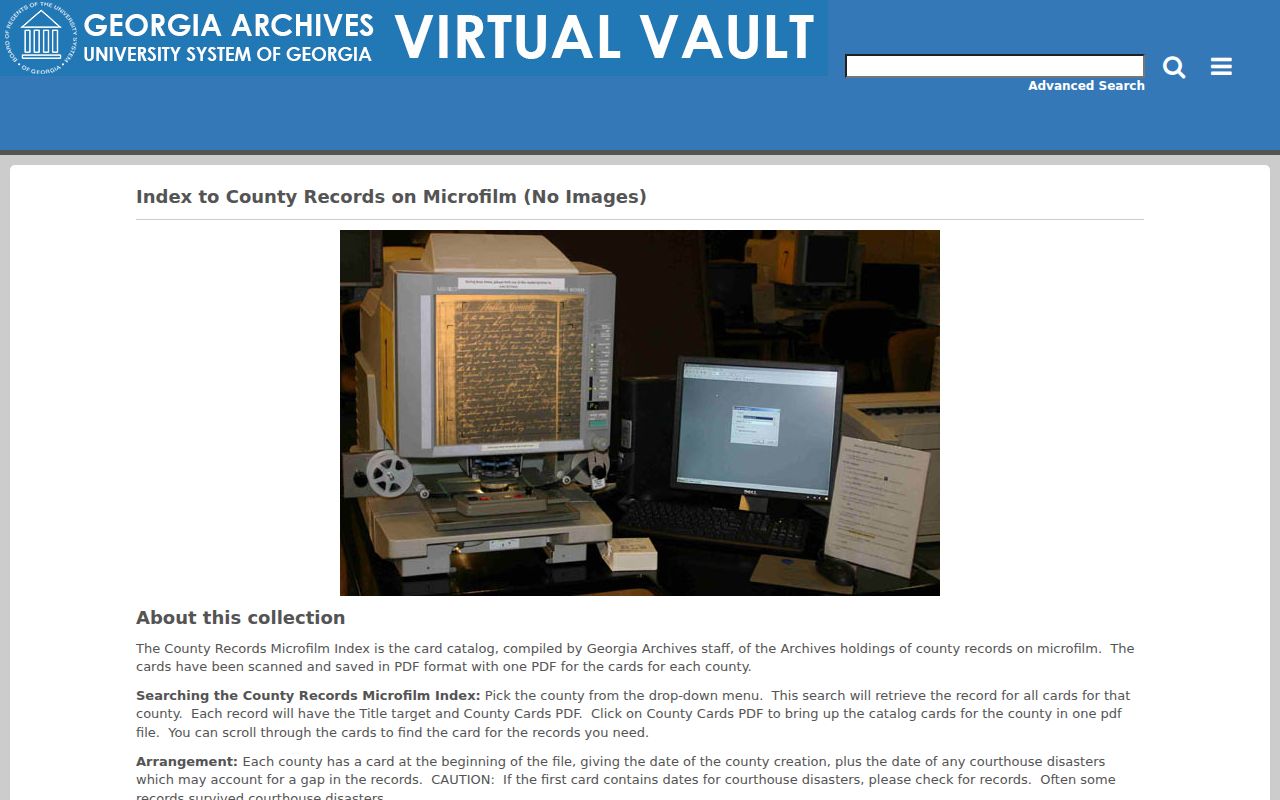
Carry names, date spans, deed citations, and the legal description into an Archives visit or request. That work is slower, but it keeps early claims tied to a source.
Newnan Families Beyond the Deed
Marriage, probate, obituary, and cemetery records can explain a surname change or why an owner vanishes from later rolls. Coweta Marriage Book B, from 1832 through 1855, is digitized and indexed in the Georgia Archives Virtual Vault. Coweta Probate Court keeps estates, wills, guardianships, and marriage licenses at 200 Court Square.
The digitized marriage book offers direct images of an early Coweta record source.
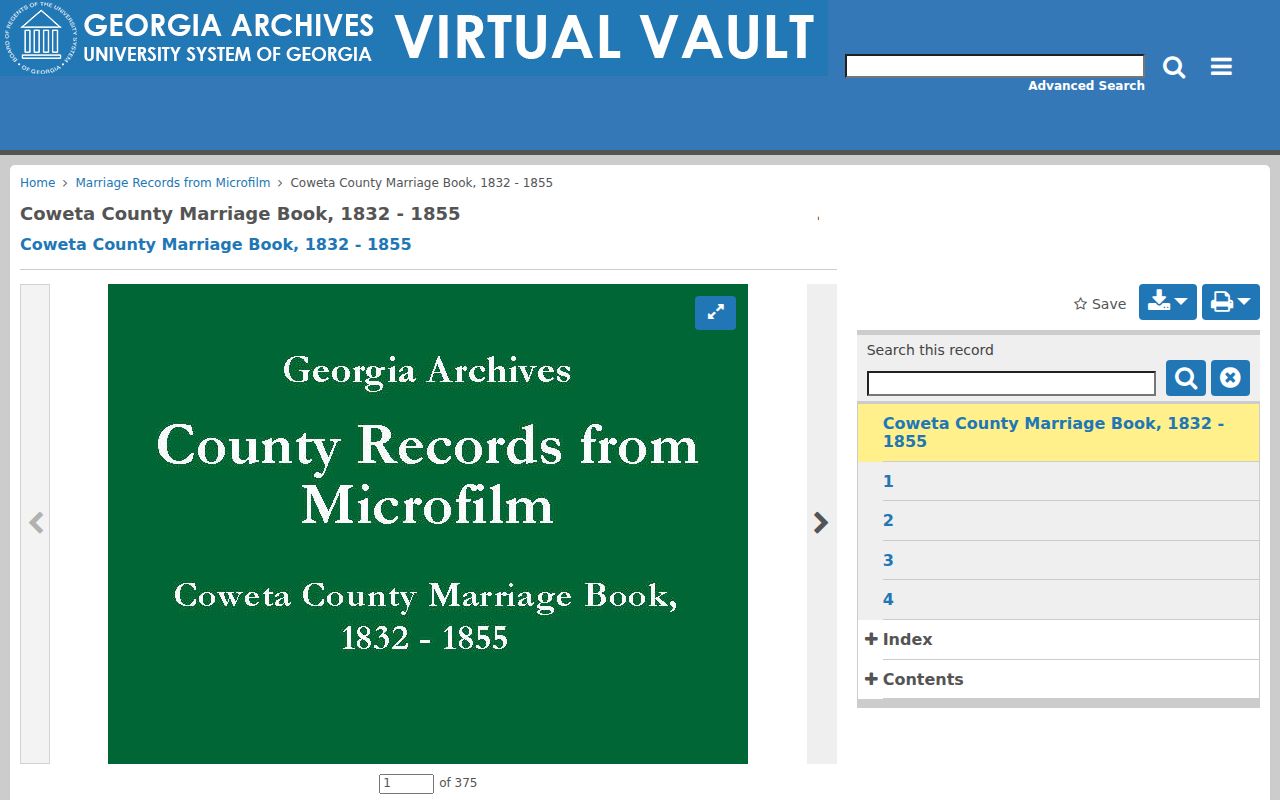
A marriage entry may connect names in a deed chain. An estate may name heirs and land. Neither alone proves that each person lived at the target address, so test it against the timeline.
Newnan Cemetery Files Close Gaps
Newnan’s cemetery files are rich endpoints for previous residents. The city cemetery master plan describes plot deeds from 1908, receipts from 1918 to 1934, burial records from 1907 to 1971, and 1940s maps that name interred people. Death files in the City Hall Finance vault may include a name, date, cause, owner, lot or location, fee, age, and gender.
The Cemetery Department assists with Oak Hill, East View, and East View Annex records at 70 Jefferson Street. Farmer Street also has 2019 to 2020 ground-penetrating-radar shapefile data held by city GIS. Unmarked graves still leave gaps. Start with a name and date from a deed, directory, obituary, or probate file.
Use Newnan Previous Residents Lawfully
House history can reconnect family lines, explain an old photograph, or show how a Newnan property changed. Yet an owner name does not identify each occupant. A mailing address that differs from the situs may suggest an owner lived elsewhere, but it does not name the people in the home. Protected fields can also be withheld.
Keep a source log. Mark each conclusion as confirmed, likely, or unresolved. Verify living-person details with the custodian and do not publish sensitive facts merely because an index exposed them.
Lawful use. Research previous residents for family history, house history, and personal curiosity. Never use a record trail to watch, intimidate, harass, or harm anyone.